At Velmara, we believe great style should feel effortless, confident, and timeless—and few garments embody that philosophy as perfectly as maxi dresses. Flowing yet flattering, relaxed yet refined, maxi dresses have earned their place as a true wardrobe essential for women across generations, body types, and lifestyles.
From casual maxi dresses worn on summer afternoons to elegant maxi dresses designed for formal events, this versatile silhouette adapts seamlessly to changing trends and personal tastes. Whether you’re drawn to breathable fabrics for warm weather, searching for a flattering fit for your body shape, or learning how to style a maxi dress for different seasons, this guide is designed to answer every question you might have. In this ultimate guide, Velmara walks you through everything you need to know about maxi dresses—from styles and fabrics to fit, seasonal styling, and smart buying tips—so you can choose and wear maxi dresses with complete confidence.
What Is a Maxi Dress?
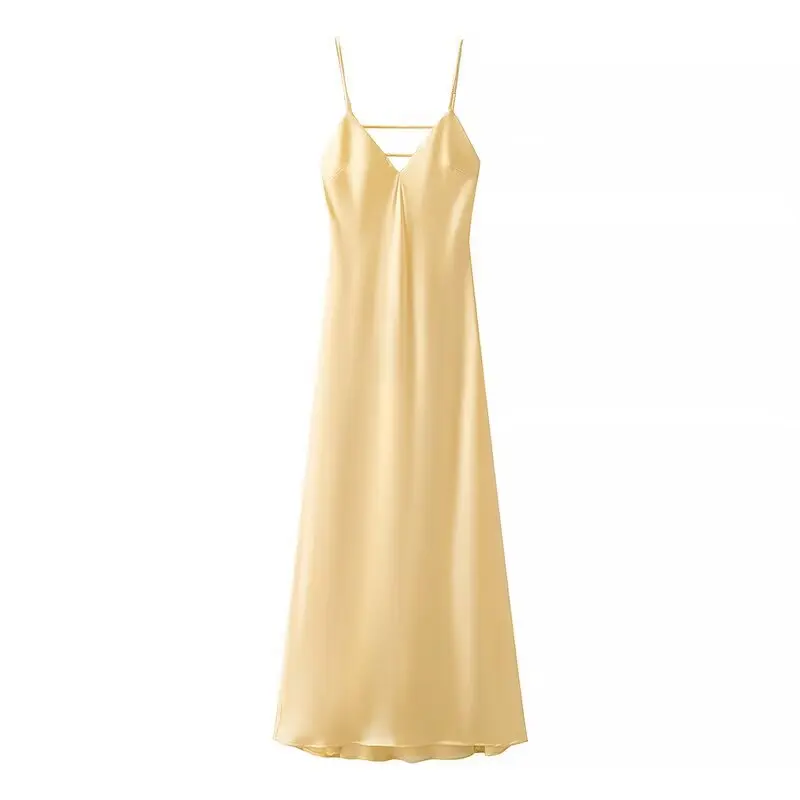
A maxi dress refers to a dress designed with a full-length or ankle-length hemline, typically falling close to—or lightly touching—the floor. More than just a matter of length, maxi dresses are defined by their ability to create a clean vertical line, which naturally elongates the body and delivers a balance of elegance, comfort, and effortless movement.
Unlike shorter dress silhouettes, maxi dresses are often chosen for their versatility. They can feel relaxed and casual when made from breathable fabrics, or refined and dramatic when styled with structured cuts and elevated materials. This duality is what has allowed maxi dresses to remain relevant across seasons, occasions, and evolving fashion trends.
Maxi Dress vs Long Dress
Although the terms are frequently used interchangeably, not all long dresses qualify as true maxi dresses. From a styling and construction perspective, a maxi dress usually meets several key criteria:
- The hemline reaches the ankle or floor, rather than stopping at an arbitrary long length
- The silhouette leans toward flowing, relaxed, or softly structured, rather than rigid tailoring
- The design prioritizes comfort and wearability, often allowing for ease of movement
In contrast, a long dress may simply describe length without implying the relaxed elegance and functional comfort that define maxi dresses.
Maxi Dress vs Midi Dress
The distinction between maxi dresses and midi dresses lies primarily in proportion and visual impact:
- Maxi dresses extend to the ankle or floor, creating a lengthened, fluid appearance
- Midi dresses typically fall at mid-calf, offering a more structured and polished look
Because of this difference, maxi dresses tend to feel more dramatic, effortless, and versatile, while midi dresses are often perceived as tailored, refined, and slightly more formal. Choosing between the two often depends on the occasion, body proportions, and desired styling effect.
Types of Maxi Dresses by Style and Occasion
Maxi dresses stand out for their remarkable adaptability. Rather than being defined by a single look, they span a wide range of styles designed to suit different occasions, lifestyles, and personal aesthetics. Understanding how maxi dresses vary by style and purpose helps narrow down the right choice—whether the goal is everyday comfort or elevated elegance.
Casual Maxi Dresses
Casual maxi dresses are designed with day-to-day wear in mind, prioritizing ease, comfort, and practicality while maintaining a polished appearance. These styles often feature lightweight construction and relaxed proportions, making them an effortless option for a wide range of activities. Common characteristics include:
- Soft cotton or rayon fabrics that feel breathable and gentle on the skin
- Relaxed or loose-fit silhouettes that allow unrestricted movement
- Sleeveless or short-sleeve designs suited for warm weather and layering
Casual maxi dresses pair naturally with flat sandals, slides, or sneakers, making them ideal for running errands, traveling, or enjoying laid-back weekends. Their versatility also makes them a popular choice among women seeking comfortable maxi dresses that transition easily from home to outdoors.
Formal and Evening Maxi Dresses
Formal and evening maxi dresses are crafted to create a more refined and sophisticated presence. These designs focus on structure, fabric quality, and detailing to elevate the classic maxi silhouette for special occasions. Typical features include:
- Luxurious materials such as satin, silk, chiffon, or velvet
- Structured bodices or defined waistlines that enhance shape and proportion
- Elegant necklines, including halter, V-neck, sweetheart, or off-the-shoulder styles
These maxi dresses are well-suited for weddings, evening events, and formal gatherings, where length and flow contribute to a graceful, statement-making look. When styled with heels and refined accessories, formal maxi dresses offer the same comfort as casual versions—while delivering a distinctly elevated aesthetic.
Long vs Ankle-Length Maxi Dresses
- Although both styles fall under the category of maxi dresses, length plays a significant role in how a maxi dress looks, feels, and functions. Understanding the difference between long (floor-length) and ankle-length maxi dresses helps refine choices based on proportion, comfort, and occasion.
- Floor-length maxi dresses are designed to extend to the floor or skim just above it. This length creates a dramatic, elongated silhouette, often associated with elegance and formality. Long maxi dresses work particularly well for evening wear, weddings, or occasions where a refined and flowing appearance is desired. When paired with heels, they enhance vertical lines and create a graceful, statement-ready look.
In contrast, ankle-length maxi dresses stop just above the ankle, offering a more relaxed and approachable aesthetic. This slightly shorter length feels lighter, more casual, and easier to wear, especially for daytime activities or warm-weather settings. Ankle-length maxi dresses pair effortlessly with flat sandals or sneakers and are often preferred for travel, casual outings, and everyday wear.
Popular Maxi Dress Silhouettes
Different silhouettes affect how a maxi dress fits and flatters:
- A-line maxi dresses: universally flattering
- Empire waist maxi dresses: highlight the bust and skim the waist
- Wrap maxi dresses: adjustable and body-friendly
- Bodycon maxi dresses: fitted and curve-hugging
- Flowy and tiered maxi dresses: relaxed and romantic
Maxi Dress Fabrics and Material Quality
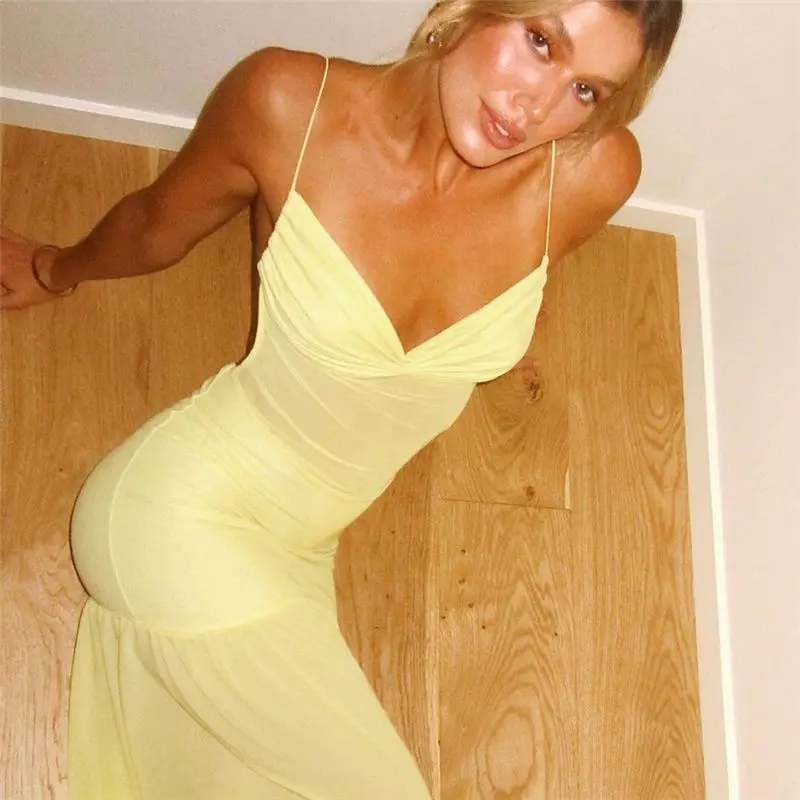
The fabric of a maxi dress influences far more than appearance alone. It directly affects comfort, breathability, drape, and how the dress performs in different climates and occasions. Choosing the right material ensures a maxi dress not only looks elegant but also feels wearable throughout the day or evening.
Lightweight and Breathable Fabrics (Best for Summer)
For warm-weather wear, breathable and lightweight fabrics are essential to keep maxi dresses comfortable without compromising flow or style. These materials allow air circulation while maintaining the relaxed elegance maxi dresses are known for. Common summer-friendly fabric options include:
- Cotton maxi dresses, valued for their softness, natural breathability, and easy care
- Chiffon maxi dresses, offering an airy, lightweight feel with graceful movement
- Rayon and viscose maxi dresses, known for their fluid drape and cooling sensation against the skin
- Linen-blend maxi dresses, combining subtle texture with improved airflow and summer-ready comfort
These fabrics help prevent overheating, making them ideal for summer maxi dresses while preserving a light, flowing silhouette.
Elegant and Flowing Fabrics for Dressy Looks
When a more refined or formal appearance is required, maxi dresses often rely on fabrics that enhance smoothness, structure, and visual polish. These materials elevate the silhouette without sacrificing movement. Dressier fabric choices typically include:
- Satin maxi dresses, recognized for their smooth finish and elegant sheen
- Silk maxi dresses, offering a luxurious, lightweight feel with natural fluidity
- Georgette and crepe maxi dresses, which provide gentle structure while maintaining soft movement
These fabrics are commonly used in evening maxi dresses and special-occasion designs, where drape and finish play a central role.
Structured and Cold-Weather Fabrics
For cooler seasons, maxi dresses shift toward fabrics that provide warmth and flexibility without feeling heavy or restrictive. Popular cold-weather materials include:
- Velvet maxi dresses, known for their rich texture and insulating qualities
- Knit and ribbed maxi dresses, which offer stretch, comfort, and adaptability
These fabrics allow maxi dresses to transition seamlessly into fall and winter wardrobes, supporting layered styling while retaining comfort.
Ultimately, fabric choice defines how a maxi dress feels, moves, and adapts—making material quality a foundational element in selecting the right maxi dress for any season or occasion.
How to Choose the Right Maxi Dress Fit?
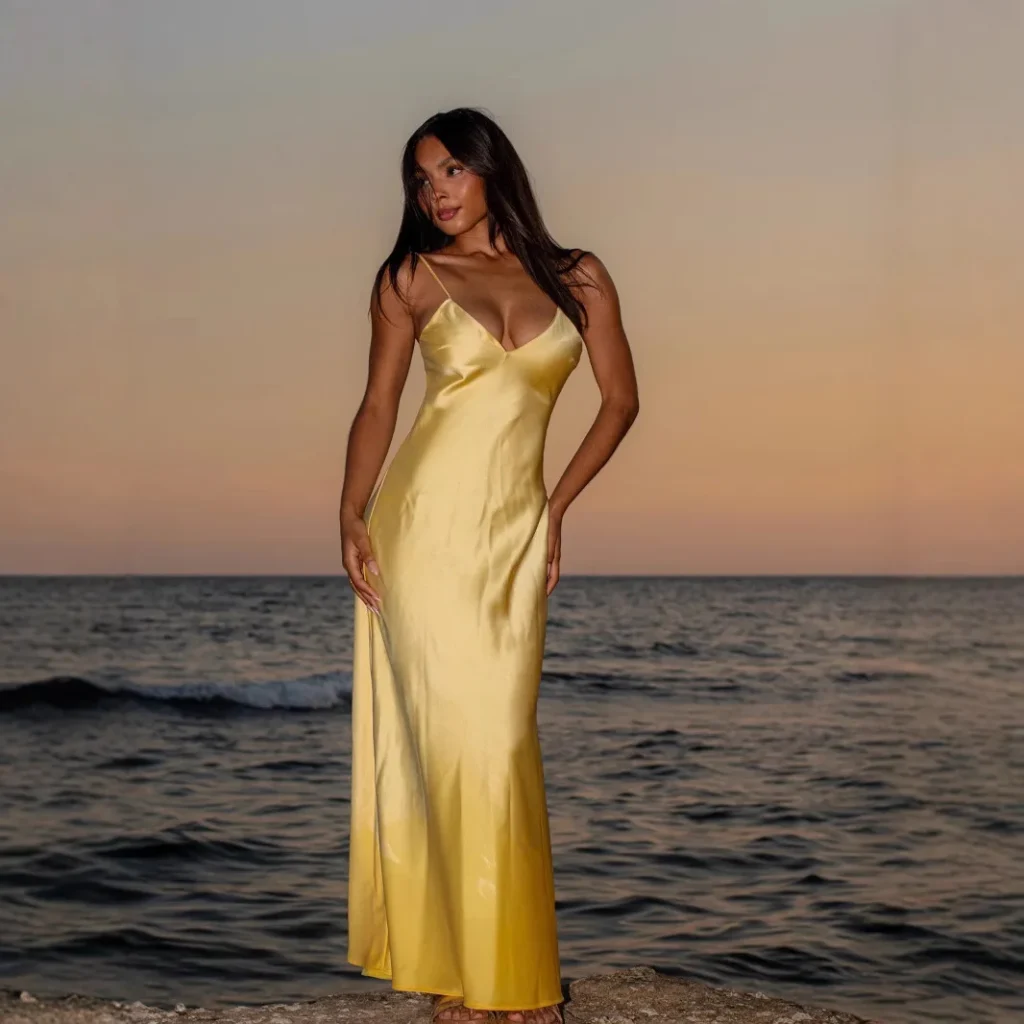
Fit is one of the most decisive factors in how a maxi dress looks and feels. Even the most beautiful design can appear unbalanced if the fit is off, while a well-fitted maxi dress naturally enhances proportion, comfort, and confidence.
Sizing and Proportion Basics
A properly fitting maxi dress should follow the natural lines of the body without feeling restrictive. Key fit points to consider include:
- The dress should sit smoothly at the bust, without pulling or gaping
- The waist should be defined or gently skimmed, depending on the silhouette
- The skirt should flow freely over the hips, avoiding clinging or excessive volume
Length is equally important. Ideally, the hem of a maxi dress should hover just above the ground when worn with the intended shoes, ensuring ease of movement while maintaining a clean, elongated look.
Maxi Dresses for Different Body Types
Different body types benefit from specific design choices that enhance balance and proportion:
- Maxi dresses for petite women often work best in ankle-length or high-waisted styles, which prevent the frame from being visually overwhelmed
- Maxi dresses for tall women can embrace full floor-length designs that emphasize natural height and vertical lines
- Plus-size maxi dresses tend to be most flattering when they feature structured bodices paired with fluid, draping skirts
Body shape also plays a role in selecting the most flattering cut:
- Pear-shaped figures benefit from A-line maxi dresses
- Apple-shaped bodies are complemented by empire waist designs
- Hourglass figures suit wrap or softly fitted maxi dresses
- Rectangle body types gain definition from tiered or belted styles
Waist Design and Comfort Features
Waist construction significantly affects both comfort and fit:
- Elastic waist maxi dresses provide flexibility and all-day comfort
- Adjustable or wrap styles allow for a more personalized fit
- High-waisted maxi dresses help visually elongate the legs and refine proportion
The right maxi dress fit is achieved through thoughtful balance—aligning silhouette, length, and waist design with body shape and comfort needs.
How to Style Maxi Dresses?
Styling plays a defining role in how maxi dresses are perceived. The same dress can appear relaxed, refined, or statement-driven depending on footwear, layering, and accessories. Understanding a few core styling principles allows maxi dresses to adapt effortlessly across different settings.
- Casual Maxi Dress Outfits: For everyday wear, casual maxi dress outfits focus on comfort and ease without sacrificing style. These looks typically combine simple pairings that allow freedom of movement while maintaining visual balance. Popular choices include flat sandals, slides, or sneakers for all-day wear, lightweight layers such as denim jackets or soft cardigans for flexibility, and minimal accessories to keep the outfit clean and polished. This combination demonstrates how to style a maxi dress casually while ensuring it looks intentional and versatile for daily activities.
- Dressing Up a Maxi Dress: Maxi dresses can effortlessly transition into elevated or formal settings when styled thoughtfully. The key is introducing structure and contrast through accessories and footwear. Ideal dressy elements include heels or wedges to enhance posture and elongate the legs, statement jewelry to add sophistication and visual interest, and structured bags or clutches to refine the overall ensemble. Mastering these styling techniques allows a single maxi dress to serve multiple purposes, from daytime gatherings to evening events, without losing elegance or comfort.
- Minimalist vs Statement Styling: Maxi dresses lend themselves to both minimalist and bold styling approaches, depending on the garment’s color and pattern. Solid-color maxi dresses naturally suit minimalist aesthetics, relying on clean lines and subtle detailing, while printed maxi dresses often act as the focal point of the outfit, requiring restraint in accessories to maintain balance. The guiding principle in either approach is to let one element lead—either the dress itself or the supporting accessories—ensuring harmony and a polished, intentional look.
Ultimately, effective maxi dress styling is about balance, ensuring comfort and visual harmony while adapting the look to suit the occasion.
Seasonal Styling: Wearing Maxi Dresses Year-Round
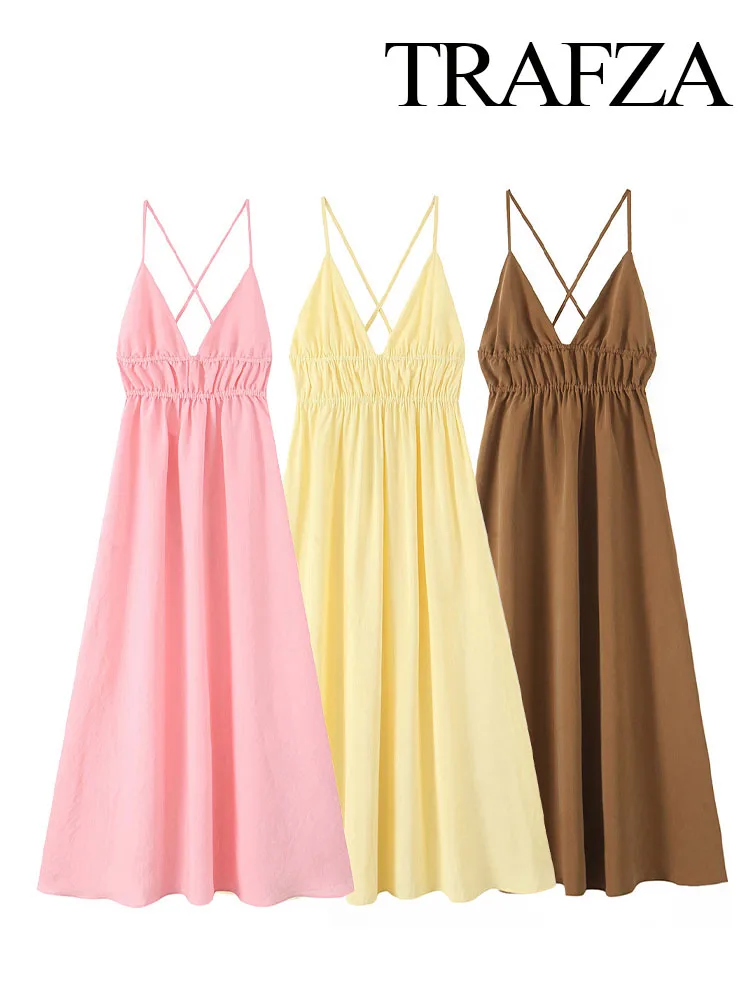
Maxi dresses are among the few wardrobe staples that adapt seamlessly across all seasons, provided the right fabrics, layering, and accessories are chosen. Seasonal styling ensures that maxi dresses remain functional, flattering, and stylish no matter the weather.
- Summer Maxi Dresses: In summer, the emphasis is on lightweight, breathable designs that keep the body cool while maintaining flow and elegance. Sleeveless or short-sleeve maxi dresses crafted from cotton, linen, or rayon are ideal. Floral prints and light colors enhance the season’s fresh and vibrant aesthetic. These summer maxi dresses work perfectly for beach outings, vacation wear, or casual outdoor activities, offering effortless style without sacrificing comfort.
- Spring and Fall Styling: Transitional seasons call for layering and adaptable fabrics. Pairing a maxi dress with cardigans, denim jackets, or light blazers allows the outfit to respond to changing temperatures. Fabrics such as rayon, crepe, or lightweight knits provide sufficient warmth without compromising the dress’s drape. Spring and fall styling balances functionality with aesthetic appeal, making maxi dresses versatile choices for both casual and semi-formal occasions.
- Winter Maxi Dress Outfits: During winter, maxi dresses are most effective when paired with heavier, structured fabrics and seasonal layers. Long-sleeve maxi dresses made from velvet, knit, or ribbed materials provide warmth while maintaining silhouette. Complementing these with boots, tailored outerwear, and scarves creates a cozy yet polished look. This approach allows maxi dresses to remain relevant even in cold climates, offering elegance and comfort throughout the season.
With thoughtful seasonal adjustments, maxi dresses become a true year-round wardrobe staple, balancing style, comfort, and practicality.
Colors, Prints, and Design Details
The color palette, prints, and design elements of a maxi dress greatly influence its versatility, style impact, and the overall mood of an outfit. Thoughtful choices in these areas allow maxi dresses to suit different occasions, personal aesthetics, and seasonal trends.
- Popular Colors: Certain colors remain timeless staples for maxi dresses due to their versatility and ability to flatter multiple skin tones. Black maxi dresses are celebrated for their elegance and adaptability, perfect for both casual and formal settings. White maxi dresses evoke a fresh, airy feel, making them ideal for summer or beachwear. Meanwhile, neutral and pastel maxi dresses create soft, understated looks, ideal for minimalist styling or layering with complementary accessories. Selecting the right color ensures that a maxi dress aligns with both personal style and the intended occasion.
- Prints and Decorative Elements: Beyond solid colors, prints and embellishments add character and personality to maxi dresses. Floral maxi dresses remain perennial favorites, offering romantic or bohemian vibes. Striped or polka dot designs introduce a playful yet sophisticated aesthetic, suitable for casual and semi-formal wear. Additionally, details such as lace, embroidery, or bohemian-inspired trims elevate the visual interest of a maxi dress, transforming a simple silhouette into a statement piece. These design elements allow for expressive styling without overwhelming the natural flow of the dress.
The careful selection of colors, prints, and decorative touches ensures a maxi dress can be both versatile and memorable, adapting effortlessly to various occasions and personal style preferences.
Major Brands and High-Street Maxi Dress Options
Choosing the right maxi dress can be simplified by exploring reputable brands and high-street options that consistently deliver quality, style, and wearability. These brands cater to different aesthetics and priorities, allowing shoppers to find maxi dresses suited to casual, formal, or versatile everyday wear.
Marks & Spencer offers classic and timeless maxi dress silhouettes that emphasize reliability and a polished, wearable aesthetic. J.Jill focuses on comfort-driven designs, providing relaxed cuts and soft fabrics ideal for everyday elegance. Old Navy combines casual styling with trend-forward details, making its maxi dresses approachable, youthful, and versatile. Athleta specializes in travel-friendly and performance-inspired maxi dresses, blending functionality with style for women on the move.
Together, these brands showcase the diverse philosophies behind maxi dress design, from casual comfort to elevated elegance, without centering on price, proving that high-quality maxi dresses are accessible across various style preferences.
Buying Tips: Choosing the Best Maxi Dresses
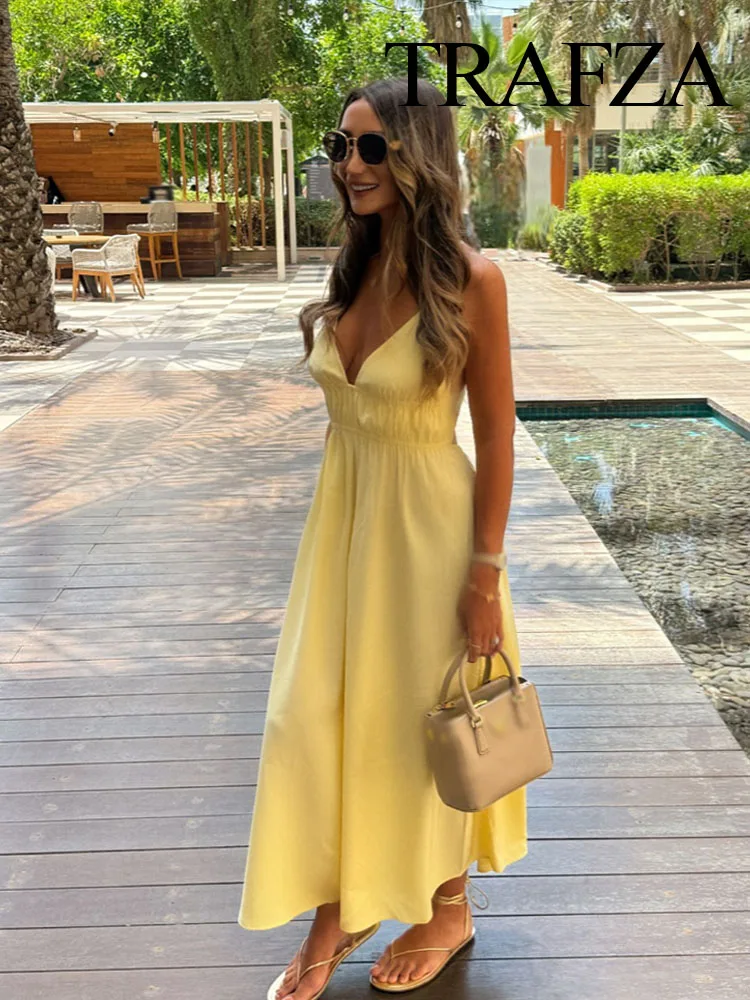
Selecting the right maxi dress requires more than picking a favorite color or print. Understanding key quality indicators, sizing considerations, and budgeting strategies ensures that each purchase is both stylish and practical, resulting in a dress that performs well over time.
- What to Look For: When evaluating a maxi dress, attention to fabric quality and lining is essential, as these elements determine comfort, drape, and longevity. Equally important is stitching and construction, which ensure durability and maintain the integrity of the silhouette after repeated wear. Finally, accurate sizing information is crucial to achieve a flattering fit, taking into account body type, desired length, and any adjustable features like elastic or wrap waists.
- Budget-Based Guidance: Maxi dresses are available across a wide range of price points, allowing shoppers to balance cost with quality and occasion. Affordable maxi dresses offer practical, everyday options without compromising style. Mid-range selections strike a balance between fabric quality, construction, and aesthetic appeal, making them ideal for both casual and semi-formal occasions. Investment pieces focus on premium materials, craftsmanship, and timeless designs, ensuring long-term wear and adaptability across seasons and trends.
Careful consideration of fabric, fit, construction, and price ensures that each maxi dress purchase delivers both style and lasting value.
FAQs About Maxi Dresses
Maxi dresses are versatile and timeless, yet many shoppers have common questions regarding fit, styling, and care. Understanding these frequently asked points helps ensure the right choice and long-lasting wear.
What Is Considered a Maxi Dress?
A true maxi dress is defined by its ankle-length or floor-length hemline, designed to create a flowing, vertical silhouette. Unlike midi or knee-length dresses, maxi dresses prioritize elongation, elegance, and comfort, making them suitable for both casual and formal settings. The combination of length, drape, and relaxed fit distinguishes a maxi dress from other long dress styles.
How Long Should a Maxi Dress Be?
The ideal maxi dress length hovers just above the ground when worn with your intended shoes, allowing freedom of movement while maintaining a polished look. Length is crucial for proportion—too long can cause tripping, while too short diminishes the signature flowing effect. Consider the intended footwear (flats, heels, or wedges) when selecting the hemline to ensure balance and comfort.
Are Maxi Dresses Flattering?
Maxi dresses can be extremely flattering across a variety of body types, provided the silhouette, waist placement, and cut are chosen thoughtfully. Properly designed maxi dresses enhance natural proportions, create vertical lines, and add elegance. For example, a wrap maxi dress highlights the waist, an A-line flows gracefully over hips, and empire-waist styles elongate the legs visually.
Can Petite Women Wear Maxi Dresses?
Yes, petite women can wear maxi dresses successfully by focusing on proportion and fit. Ankle-length or high-waisted designs prevent the dress from overwhelming a smaller frame. Pairing with heels or wedges can further elongate the legs and create a balanced silhouette. Attention to neckline and sleeve details also ensures that the outfit feels harmonious.
Are Maxi Dresses Suitable for Formal Events?
Absolutely. Maxi dresses made from luxurious fabrics such as silk, satin, chiffon, or velvet can be perfectly suitable for weddings, galas, or evening occasions. Structured bodices, elegant necklines, and refined accessories elevate the dress, transforming a simple silhouette into a statement-making ensemble suitable for formal settings.
Are Maxi Dresses Still in Style?
Maxi dresses remain a timeless wardrobe staple due to their versatility, comfort, and ability to adapt to evolving fashion trends. They work for casual outings, office wear, vacations, or formal events, making them a practical yet stylish investment for any wardrobe.
How Should Maxi Dresses Be Washed?
Proper care is essential to maintain both appearance and longevity. Follow fabric-specific care instructions:
- Cotton or linen maxi dresses: gentle machine wash or hand wash, avoid high heat
- Silk, satin, or delicate fabrics: professional dry cleaning or hand wash in cold water
- Embellished or lace designs: always handle with care and store properly to prevent snags
Correct washing, drying, and storage will preserve the fabric, shape, and color, ensuring the maxi dress remains wearable for years.
Conclusion
At Velmara, we see maxi dresses as more than just a trend—they are a reflection of how modern women want to dress: comfortably, confidently, and with enduring style. From casual maxi dresses to elegant evening silhouettes, from breathable summer fabrics to structured winter designs, maxi dresses adapt to every season and lifestyle.
When chosen thoughtfully—considering fabric, fit, and styling—maxi dresses become one of the most versatile pieces you can own. Whether you’re building a minimalist wardrobe or exploring statement looks, a well-selected maxi dress will always rise to the occasion. With the guidance in this ultimate guide, Velmara hopes you feel empowered to choose, style, and wear maxi dresses in a way that truly feels like you.